Companies are continually seeking practical ways to improve customer experience and simplify lead generation. Website visitors want quick answers, while sales teams need useful information to understand which enquiries deserve attention.
AI lead generation can help connect these needs. AI-powered chatbots engage visitors in conversations, answer common questions, collect contact details and qualify enquiries before passing them to a sales team.
From ecommerce and software to real estate and travel, businesses can use chatbots to guide potential customers through the early stages of a purchase. However, results depend on the quality of the answers, the conversation flow and what happens after a visitor shares their details.
This guide explains how AI-powered chatbots for business support lead capture, customer engagement and follow-up, including how they can connect with existing CRM and email tools.
The Rise of AI-Powered Chatbots for Business
AI-powered chatbots can handle several conversations at once and provide support outside normal working hours.
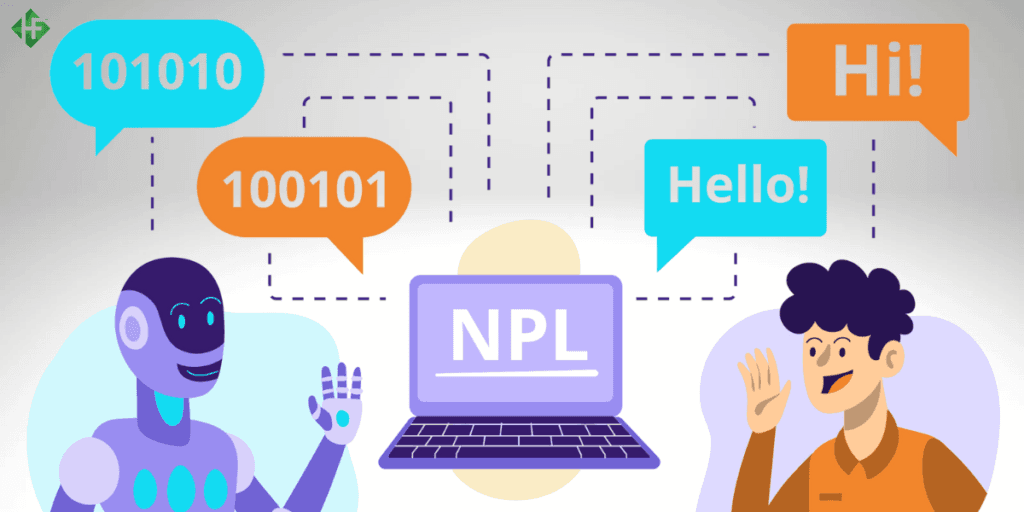
Unlike conventional rule-based chatbots that follow predefined scripts, AI-driven chatbots use natural language processing and, in many cases, large language models to interpret questions and generate responses.
A business chatbot should use approved information about products, services and policies. It also needs clear instructions about when to ask for clarification or pass a conversation to a person.
Companies exploring AI chatbot development services should begin with a specific purpose, such as answering product questions, qualifying enquiries or helping customers find support.
How AI Chatbots Improve Lead Generation
Using AI for lead generation involves more than adding a chat window to a website. The chatbot needs to help visitors make progress and give the sales team useful context.
1. Automated Lead Qualification
AI chatbots can ask relevant questions and help qualify leads against criteria set by the business.
These questions might cover the visitor’s requirements, budget range, preferred timeline or location. The answers help sales representatives understand the enquiry before starting a conversation.
For example, a chatbot on a real estate website could ask about the preferred area, property type and budget before directing the enquiry to an appropriate agent.
The questions should remain short and relevant. Asking for too much information before offering help can discourage visitors from continuing.
2. Engaging Website Visitors in Real Time
A common challenge is helping interested visitors take the next step. Chatbots can answer questions about a service, explain how a product works or direct someone to the right page.
For instance, an ecommerce chatbot could ask what a customer needs and suggest suitable products from an approved catalogue.
A service business could use a chatbot to explain the project enquiry process and offer a consultation when the visitor is ready.
This is one practical role of AI in lead generation: helping people resolve questions that might otherwise prevent them from enquiring.
3. Personalised Interactions
AI chatbots can adapt a conversation using information the visitor provides.
For example, a software company could ask about team size and required features before explaining relevant subscription options. A development company could ask whether someone needs a new application or changes to an existing product.
Personalisation should make the response more useful. It should not involve guessing sensitive information or making unsupported assumptions about the visitor.
4. Seamless Lead Capture and CRM Integration
AI chatbots for customer engagement and lead capture can collect names, email addresses and project requirements when visitors choose to share them.
With the appropriate integration, this information can create or update a CRM record. Sales teams can then review the enquiry, assign responsibility and organise follow-up.
The conversation summary is often as useful as the contact details. Knowing what a visitor asked and what they need helps the next person continue the discussion without starting again.
For example, HubSpot’s contact management API supports creating and updating contact records and syncing contact data with other systems. Connecting a chatbot requires the appropriate authentication, field mapping and error handling.
Can AI-Powered Chatbots Be Integrated With Existing Tools Like My CRM or Email for Better Customer Engagement?
Yes. AI-powered chatbots can connect with CRM systems and email tools through supported integrations, APIs or automation platforms. The available functions depend on the chatbot, the connected tools, account permissions and subscription features.
A connected workflow could work like this:
A visitor asks about a service.
The chatbot answers using approved information.
It asks for the visitor’s requirements and preferred contact details.
The integration checks for an existing CRM record and saves the enquiry.
The assigned team member receives a notification.
A confirmation or relevant follow-up email is sent according to the business’s settings and the visitor’s communication preferences.
This connection can reduce manual copying and help teams respond with more context. It does not guarantee that every enquiry will become a qualified lead.
Businesses should test duplicate records, missing information, failed updates and incorrect routing before launch. Our guide to AI integration in business applications explains the wider planning considerations.
How to Use AI Chatbots to Improve Customer Service
A chatbot should make it easier for customers to get help. The following steps provide a practical starting point.

1. Offer Support for Common Questions
Start with questions customers already ask about delivery, product features, service availability, appointments or account access.
Connect the chatbot to accurate, maintained information. If it cannot find a reliable answer, it should say so and offer another route to support.
Around-the-clock availability is useful, but it does not mean every issue can be resolved immediately. Make human support hours and expected response times clear.
AI chatbots, for example, help consumers with account queries, transaction data, and loan applications by banks and other financial companies. Quick support helps companies improve customer loyalty and retention.
2. Keep Conversations Clear and Helpful
Use short responses, straightforward language and relevant follow-up questions.
For example, a customer asking about an order should be guided through the approved verification process before being shown account-specific information.
Avoid long answers when a simple instruction would help. Customers should also be able to ask for a person without repeatedly explaining the problem.
3. Use Proactive Engagement Carefully
A chatbot can offer help when someone appears to need more information, such as while reviewing a pricing or service page.
The message should relate to that page. A useful prompt might ask whether the visitor needs help understanding the available options.
Repeated pop-ups or unrelated offers can interrupt the experience. Give visitors an easy way to dismiss the chat.
4. Connect Conversations Across Supported Channels
Depending on the platform and integrations, businesses can provide chatbot assistance through their website and supported messaging channels.
The aim is to preserve useful context when a customer moves between channels or speaks to a team member.
Platform permissions, customer identification and data access need to be configured correctly. A conversation history should only be available to authorised people and systems.
AI Chatbots vs. Human Support: Striking the Right Balance
Chatbots can handle routine questions and collect initial information, while people manage complex, sensitive or unusual situations.
A clear handoff process should explain who receives the conversation, what information is transferred and what the customer should expect next.
For example, a chatbot could gather a customer’s issue and order reference, then pass the conversation to a support representative. The customer should not need to repeat details already provided.
Businesses should also disclose that visitors are interacting with an automated assistant.
How to Start Using AI for Lead Generation
Begin with one measurable purpose, such as capturing consultation requests from a service page.
A practical rollout includes:
Selecting the pages and customer questions the chatbot will cover.
Preparing approved answers and relevant supporting information.
Defining what makes an enquiry suitable for the sales team.
Connecting the required CRM and notification tools.
Testing realistic questions, unclear requests and failed integrations.
Reviewing conversations and improving the system after launch.
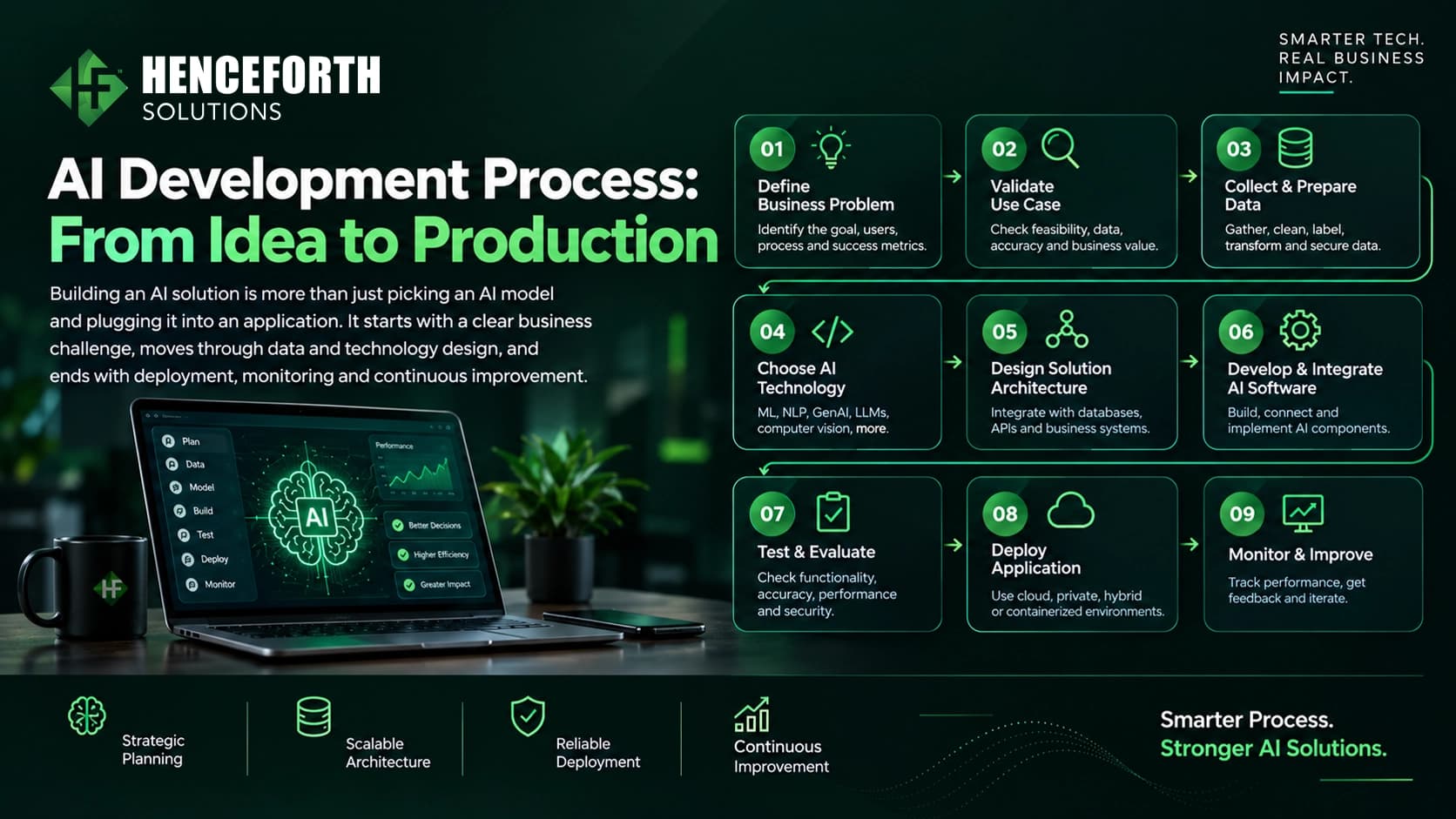
Our step-by-step AI chatbot development guide covers the broader development process.
Testing should include difficult cases as well as successful conversations. OpenAI’s evaluation best practices recommend task-specific testing, including typical inputs, edge cases and adversarial inputs.
Measuring AI-Based Lead Generation Results
Chat activity alone does not show whether the chatbot is helping the business.
Track outcomes such as:
Visitors who start and complete a relevant conversation.
Enquiries with usable contact information.
Leads accepted as qualified by the sales team.
Meetings booked and attended.
Time taken to follow up.
Opportunities and revenue associated with chatbot enquiries.
For customer service, review answer accuracy, successful resolutions, escalations and customer feedback.
Compare results with a baseline and consider changes in traffic sources or visitor intent. More conversations are only useful when they lead to better customer experiences or meaningful business outcomes.
The Future of AI Chatbots in Lead Generation and Engagement
Conversational AI can support more connected experiences across sales and customer service. Potential applications include better conversation summaries, more relevant recommendations and assistance with follow-up tasks.
Businesses should assess these features against their actual requirements. More automation is only useful when information remains accurate, actions are controlled and people can step in when needed.
Maintaining customer trust, protecting information and reviewing performance remain important as chatbot capabilities develop.
Conclusion
AI-powered chatbots can support lead generation by answering questions, collecting relevant information and helping sales teams follow up with context.
They can also improve customer engagement through accessible support and useful conversations. The strongest starting point is a clearly defined purpose, accurate business information and a reliable handoff process.
Henceforth Solutions helps businesses explore chatbot development and AI integration services. Share the customer questions, lead qualification requirements and tools involved in the process to discuss a suitable implementation approach.